
Electric vehicle chargers
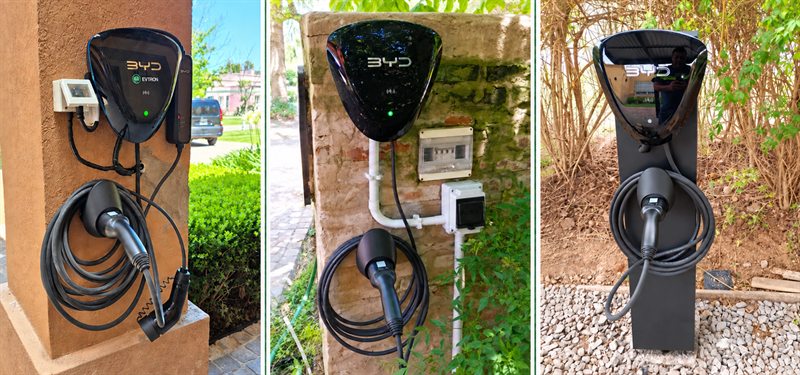
We supply electric vehicle chargers for homes, buildings, corporate parking and fleets. We assess the existing electrical installation and define the right charger type, power and the protections the regulations require.
We work with chargers, protective devices and materials from leading brands, all covered by the manufacturer’s warranty. If you need it, we can also take care of the installation. Tell us how many vehicles you need to charge and where, and we will propose a solution tailored to you.
Frequently asked questions
What is the difference between an AC charger and a DC charger?
An alternating current (AC) charger, such as a wall-mounted or pedestal unit, supplies energy to the vehicle’s onboard charger, which converts it for the battery; it is the usual choice for homes, companies and parking facilities where the car stays parked for several hours. A direct current (DC) charger does the conversion itself and charges the battery directly at much higher power: it is used along highways and for fleets that need fast charging.
What charger power is right for me?
Charger power depends on how many kilometers each vehicle travels per day, how long it stays parked and the power available in the installation. For a car that charges overnight, a low-power charger is usually enough; for fleets with several vehicles or short charging windows, higher power or several charging points are assessed.
Do I need to increase my contracted power to install chargers?
Whether you need more contracted power depends on the installation and on how many chargers run at the same time. Before proposing equipment, we survey the switchboard, the contracted power and existing loads. With several charging points, power can be shared among them so the installation limit is not exceeded.
What protection does a charger installation need?
An electric vehicle charger needs a dedicated circuit with its own circuit breaker and residual-current device, cables sized for the charging current and grounding in good condition, in line with current regulations. We check this during the survey and document it when the installation is finished.