
Energy management
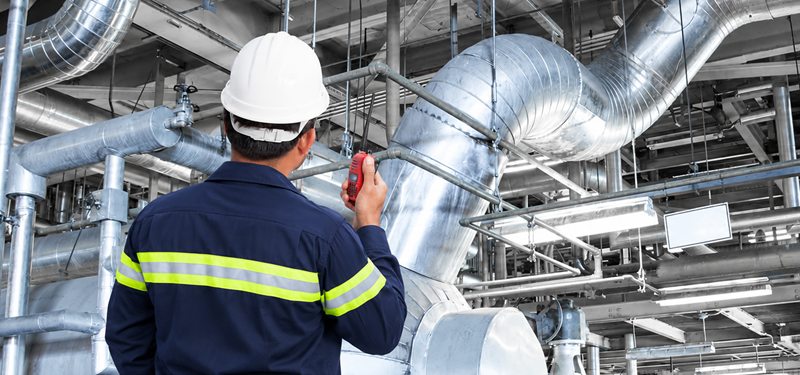
We help organizations reduce their energy consumption and cost, improve operational efficiency and cut the emissions associated with energy use. We analyze facilities, processes and operating habits to identify improvement opportunities and turn them into an action plan with technical and economic backing.
We support every stage, from the audit to implementation and the follow-up of results. We complement this work with our Remote Energy Management System (SIGER), which makes it possible to monitor consumption, detect deviations and have the information needed to sustain improvements over time.
How we do it
We understand how energy is used
We survey facilities and processes, interview staff and review operating and maintenance routines to identify the main energy uses.
We measure and cross-check the information
We measure consumption and power quality, detect heat losses and compressed air leaks, and analyze flue gases where applicable. We cross-check the results against bills and operating records.
We identify the savings opportunities
We relate consumption to production and operating conditions to establish a performance baseline, detect inefficiencies and propose improvements in equipment, processes and usage habits.
We prioritize improvements with clear numbers
We present a portfolio of measures with estimates of savings, investment, payback period and emission reductions. We agree on priorities according to feasibility, impact and ease of implementation, including low- and no-cost actions.
We support implementation and verify the results
We support the execution of the measures and staff training. We use measurements and indicators, with the help of SIGER, to compare results against the initial baseline, detect deviations and sustain the savings.
Featured projects
- Energy management consulting for Pfizer and Schneider Electric, following the ISO 50001 standard.
- Energy efficiency audits for Ferrero, Clorox, Cargill, Telefónica, Minera Aguilar and Maincal, among others.
- Energy efficiency study of agricultural machinery in Paraguay (Global Climate Partnership Fund, GCPF).
Read the full story: Ferrero Argentina
Read the full story: Global Climate Partnership Fund (GCPF)
Read the full story: Papelera San Andrés de Giles
Frequently asked questions
What is an energy audit?
An energy audit is an analysis of how your plant uses energy: we survey facilities and processes, measure consumption and power quality, and cross-check the results with energy bills and production records. The result is a portfolio of improvement measures, each with its estimated savings, investment, payback period and emissions reduction.
What is ISO 50001 and what is it for? Is it mandatory?
ISO 50001 is the international standard for energy management systems: it defines how to measure, control and improve an organization’s energy performance systematically. It is voluntary; companies adopt it to sustain savings over time or to meet requirements from their customers or their corporate group.
How much energy can a company save?
Savings depend on each plant, which is why the audit comes first. For reference, we identified potential savings of 2,700 MWh/year at Clorox, 2,149 MWh/year at Papelera San Andrés de Giles and 938 MWh/year at Ferrero. Many improvements need little or no investment, such as repairing compressed air leaks or adjusting operating habits.
How are compressed air leaks detected?
With a survey of the network while the equipment is running: we locate each leak, estimate how much energy it wastes and rank repairs by impact. Leaks consume energy the whole time the compressor runs: at Maincal we found 90 leaks adding up to 112 MWh/year of losses, and at Clorox compressed air was the main savings opportunity.
Do you also carry out the improvements?
Yes. We support implementation with our engineering and construction teams, train staff and verify results with measurements and indicators in SIGER, comparing them with the initial baseline.